Contraception,
also known as family planning or birth control, refers to methods used to
prevent unintended pregnancy. Using contraception allows individuals and
couples to decide if, when, and how many children to have, while also
supporting overall reproductive health and well-being.
There are different contraceptive methods, and the best choice depends on personal needs, health conditions, lifestyle, and future pregnancy plans.
Types of
Contraception Methods
1. Short-Term
(Temporary) Methods
These methods
are used regularly or around the time of sexual activity.
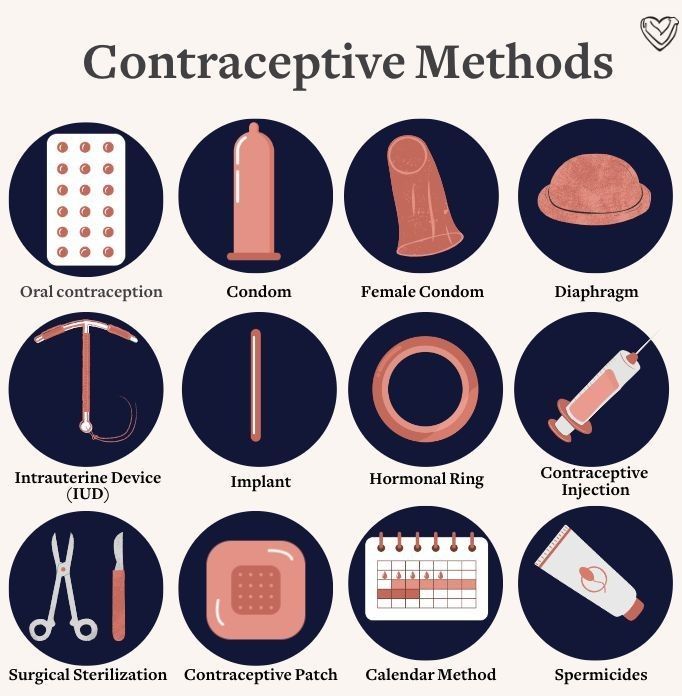
Male and female condoms
Prevent pregnancy by stopping sperm from reaching the egg. Condoms also help protect against sexually transmitted infections (STIs).
Oral contraceptive pills (daily pills)
Hormonal pills taken daily to prevent ovulation.
Emergency contraception
Pills taken after unprotected sex to prevent pregnancy. They are not meant for regular use.
2. Long-Acting
Reversible Contraceptives (LARC)
These are highly effective methods that last for several years and can be removed when pregnancy is desired.
Implants
A small rod placed under the skin of the arm that releases hormones to prevent pregnancy.
Intrauterine devices (IUDs)
A small device placed in the uterus. It can be hormonal or non-hormonal (copper).
3. Injectable
Contraceptives
Hormonal
injections given every 2–3 months to prevent ovulation and pregnancy.
4. Permanent
Methods
These are suitable for individuals who are sure they do not want more children.
Female sterilization (tubal ligation)
Male sterilization (vasectomy)